Horse Creek - Ryegrass Rim
Summary
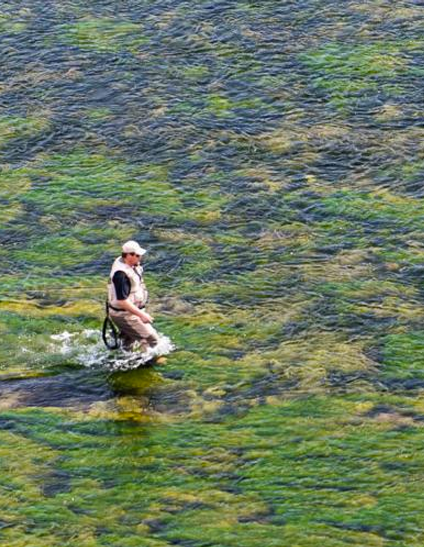
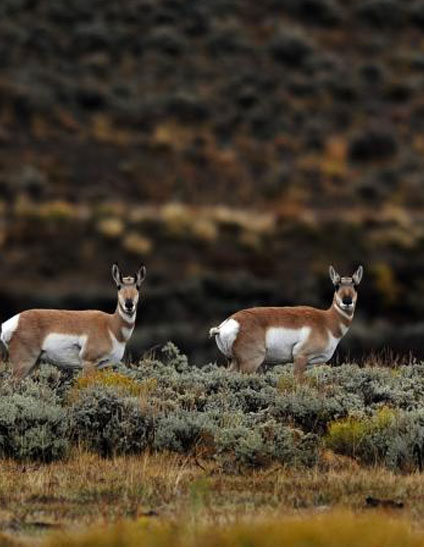
The headwaters of the Green River include a small valley that exemplifies Wyoming’s excellent hunting and fishing heritage. The Horse Creek drainage and other tributaries are home to native Colorado River cutthroat trout and provide excellent habitat for moose, elk, mule deer, sage grouse and pronghorn antelope. This region is one of the most popular areas in the state for hunting mule deer, a tradition that dates to the 1800s. Yet it is here that oil and gas companies are focusing their development dreams on some 44,000 acres of pristine wildlife habitat. In 2005, the U.S. Forest Service announced its intent to lease this valued hunting and fishing country for energy production, despite strong objections from Wyoming Gov. Dave Freudenthal residents from all corners of the state.
Nearby, the Ryegrass Rim sits above Horse Creek, providing crucial winter range for migrating mule deer. The rim also is home to heavy oil and gas leasing, with a few prospect wells drilled in recent years. But for the most part, this wide open piece of Wyoming’s high sagebrush sea is untouched and open for hunters to enjoy.
What’s at Risk?
For years, the Horse Creek and Ryegrass Rim country has been a prized destination for mule deer hunters in search of a trophy buck. From the Horse Creek high country to slopes of bitterbrush foothills and benches of sage, the area is a mule deer heaven, where big bucks grow and thrive. Today the backcountry enjoys a world-renowned and well-deserved reputation and has been featured in many outdoors and trophy-hunting magazines. Each fall, sportsmen from around the world descend on this region in search of their buck of a lifetime – and many are not disappointed. The lush willow and aspen complexes in this country also provide critical forage for moose and elk. And the streams offer excellent fishing for native Colorado River cutthroat trout.
The Sportsmen’s Solution
The sale of the 44,000 acres offered for lease in 2005 in the Horse Creek drainage was neither valid nor responsible. Although 2009 federal legislation protected much of the Wyoming Range, oil and gas companies set their sights on the improperly leased 44,000-acre parcel that was left unprotected. Following protests from sportsmen, the BLM announced in August 2009 that it would not proceed with the leases on 24,000 of those acres. With the remaining 20,000 acres still vulnerable, sportsmen are working to conserve undeveloped portions of this northeastern gateway to the Wyoming Range.
This area needs to be removed from leasing, and money refunded to bidders. Responsible energy development here means no development at all. Private buyout and retirement of adjacent leases in the region should be considered both on the Ryegrass Rim and in the upper Horse Creek drainage. If development is to occur it must take place with an upfront conservation plan that limits the road and well density to a minimum. Sublette County, home of Horse Creek and the Ryegrass Rim, is slated for more than 10,000 wells in the next 15 years. Placing Horse Creek off limits to development and limiting development on the Ryegrass will still allow trillions of cubic feet of natural gas to be extracted while helping to keep intact one of Wyoming’s largest mule deer herds and best places to hunt and fish.
Sportsman in the Spotlight
Gary Amerine
Gary Amerine, owner of the Daniel-based Greys River Trophies, has guided hunters in the Wyoming Range west of Merna for decades. He began organizing other outfitters and Daniel-area residents after the U.S. Forest Service announced in 2005 plans to lease for energy development 44,000 acres of the Wyoming Range. “I have hunters come to my hunting camp from all over the country and even other parts of the world,” Amerine said. “They spend money in my hometown and they pay for my services. Some are starting to go other places rather than return for a hunt with me because fewer licenses are available to nonresident hunters than in years past.”
“Non-resident mule deer licenses have dropped from 1,400 to 800 in the past five years and that reflects our declining deer herd, which has fallen nearly 50 percent in recent years due in part to the ongoing impacts of energy development.” – Gary Amerine
Prev: Greater Little Mountain Area