Uinta National Forest
Summary
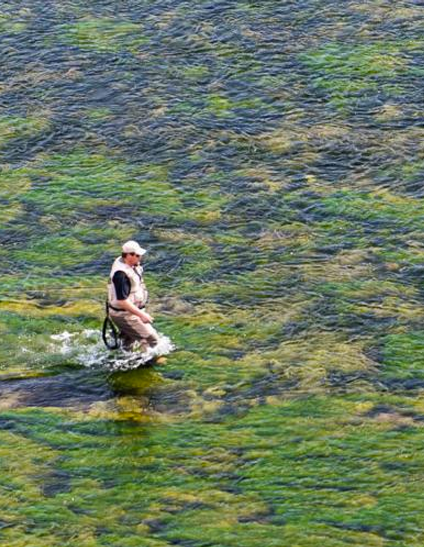
The Uinta National Forest is home to some of the best wild and native cutthroat trout fishing in national forests throughout Utah, with angling opportunities ranging from flat-water glides to mountain stream riffles. Five Blue Ribbon waters are located either within the Uinta National Forest or fed directly by the cold, clear water that flows from these public lands. As America’s appetite for energy increases, the Uinta National Forest is one of the places where energy companies want to look for oil and natural gas.
Until recently, little interest was paid to this part of Utah by the energy industry. As exploration companies seek new opportunities, however, the Uinta National Forest has become a target. Starting in 2004, approximately 165,000 acres of the forest have been leased, mostly in the Diamond Fork and Strawberry Valley regions. These lands feature prized coldwater fisheries, crucial and high-value elk and deer winter range, popular big-game hunting grounds and a multitude of recreational opportunities. All of the leases issued were based on an outdated planning document from 1997. In 2003, the Uinta National Forest revised its plan and specified stronger fish and wildlife protection measures for energy development. Without explanation, these stipulations were not included on the leases that were sold, leaving sensitive fish and wildlife habitat, including roadless backcountry areas, in jeopardy.
What’s at Risk?
Known for its vast fishing opportunities, the Uinta’s Strawberry Reservoir is Utah’s most popular trout fishery, accounting for 14 percent of the fishing use for the entire state. Anglers annually spend approximately 1.5 million hours on its waters, and fishing on the reservoir generates $20 million annually to the state’s economy. The main attraction on Strawberry is colossal Bonneville cutthroat trout, which are often weighed in pounds, with the state record tipping the scales at 26 pounds, 12 ounces. Trout Unlimited has invested countless hours and substantial financial resources in restoring this fishery over the past decade, including an effort that removed non-native trout from 23 miles of the upper Diamond Fork.
The Uinta National Forest also is a mecca for big-game hunting. Once the fall hunting season begins, camouflage and blaze orange adorn most of the forest visitors as hunters scour the ridges for elk and mule deer. Despite high hunting pressure, roadless backcountry lands in the forest allow hunters room to roam and give deer and elk the habitat security necessary to grow into mature bucks and bulls. Unfortunately, many of the energy development leases sold in recent years are in these roadless backcountry areas as well as winter range on which big game depend on for survival. Due to the variety of habitats found in the Strawberry Valley and Diamond Fork regions, these portions of the forest provide everything that deer and elk need to survive year round, from winter range necessary to endure harsh winters to lush summer ranges where calves and fawns grow strong.
The Sportsmen’s Solution
Sportsmen have been working to implement the Uinta Sportsmen’s Oil and Gas Conservation Plan, which maps high-quality habitats and guides development in places that already are leased for energy development. On lands yet to be leased, the Forest Service must take a leadership role in developing its forestwide oil and gas leasing environmental impact statement and recognizing how important this area is to sportsmen. The Forest Service plan should establish base line data for fish and game, specify best management practices and enforce specific protections for fish and game. Additionally, the Forest Service needs to ensure that protections for trout and wildlife habitat, as well as roadless lands, are part of this plan and are implemented during the application-to-drill process for previously issued leases.
Sportsman in the Spotlight
David Serdar
David Serdar has fished Strawberry Reservoir and streams in the Uinta National Forest since his childhood. His family has a cabin near Strawberry, and those early fishing experiences instilled an appreciation for trout fisheries he exhibits today as vice president of conservation for the Stonefly Society of the Wasatch, Utah’s oldest and largest Trout Unlimited chapter. Serdar’s close connection to the land and water in this region has made him one of its biggest advocates. His chapter regularly volunteers to help with restoration projects, thereby helping to guarantee that the next generation enjoys the outdoor opportunities that abound on the Uinta National Forest, just as he did.
"Highlighting the Uinta puts industry and the government on notice that sportsmen care deeply about these places - and we want to see them protected, now and for generations to come." - David Serdar
Next: Book Cliffs